


I AM TAXONOMY BUSINESS PAGE
YES I AM A DLC_COMMITTEE TAX PAGE
Committee: Wines
The committee will enhance knowledge of wines, even if one is starting from the very beginning. Assisting wine drinkers to up their game, by introducing them to a variety of different worlds of wines and premium wines. Source rare finds or get access to limited edition wines, through our selection of independent and established merchants.To be abreast with the latest news of the wine world, production figures, shows, new labels and new countries.
73 Questions with Luca Bernardini
Luca Bernardini, expert in Italian Wine and Italian Wine Culture takes us through some of the best Italian wines from country’s leading wine growing regions, wines that goes with each time of the day. With his journey he aspires to inspire members in the world of wine.
73 Questions with Sudhir Ahuja
Sudhir Ahuja takes the members through his experience of wine and beer industry. He shares his life journey, goals and daily aspirations in the world of beverages. Get to know about him from his fitness goals to journey in opening the first brewery.
Savour a Slice of Italy — An Authentic Italian Wine & Food Experience
Why should you be drinking Organic Wine
#purity #biodiversity #nature #joy … just naming a few words that came up most when talking about “organic wine” at the interview I did with wine lovers, producers, and wine professionals at Europe´s biggest organic wine fair “Millesime Bio”. Another powerful word that encompasses the philosophy behind organic wines is #respect- for the environment, for our health, and for the producers that believe in sustainability as a fundamental pillar for future winemaking.
Same as in organic agriculture of fruits or vegetables, in organic viticulture, it is not permitted the use of pesticides, herbicides, or artificial fertilizers. The winemakers, who choose to work organic, are making an extra effort to use alternative treatments in the vineyards, such as copper against fungus diseases or sexual confusion against unwanted insects. The result? The Earth says a big “Thank you”! The soil, the microorganisms inside it, and the biodiversity around can flourish, and the local waters do not get polluted with the chemicals drained after the rain. In addition, sustainable viticulture aids in preventing climate change as organically farmed soil sequesters more SO2 than conventionally farmed.
Organic wines not only come from organically grown grapes but also are free from artificial additives in the winemaking process. Unfortunately, big players in the wine industry are treating wine as a soda drink recipe and in order to mask unwanted flavors from unhealthy grapes, uneven maturity, lack of acidity or tannins, they can use the powder for color, aromas, and flavor to make sure wine tastes the same vintage after vintage. This doesn´t happen with organic wines as no chemicals or GMOs are allowed, and the restrictions on the additives are applied so the essence of the grape variety, terroir, and the vintage is present. Moreover, the amount of sulfites is restricted in organically certified wines, eg. up to 100mg/l for red wine in Europe (most wineries actually use much less), and only necessary to prevent travel spoilage so that our friends in Tokyo can enjoy wines in the same condition we have them in Barcelona.
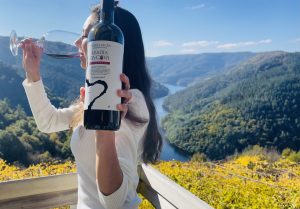
As the saying goes, you are what you eat (and drink). Apart from peace of mind knowing that no chemicals went into your glass, by choosing organic wines we make most of the benefits wine adds to our health (not saying it doesn´t have the downside of still being an alcohol) and activation of ‘longevity gene’. According to the research, the levels of the whole-body antioxidant resveratrol, found in the skins, stems, and seeds of red wines, are 30 % higher in organic than in conventional wines!
Organic sounds more expensive? The difference between organic wine prices is minimum (at least in Spain) and on top, you save on these rejuvenation vitamins J. And in case there´s an extra dollar to put, you should feel good about it. Instead of paying for the brands to cover their marketing expenses and supporting the chemical industry, your dollar supports the biodiversity of the vineyards, cleaner environment, water quality, and employment (eg. French organic vineyards employ double the people than conventional vineyards due to more manual work required).
Interesting fact: many of the most famous wineries in the world produce their wines following sustainable practices, even though they do not advertise. Because for them it is not the marketing tool, but the philosophy they sincerely believe in, and long ago have realized that omitting chemicals is beneficial for the quality of the grapes and the general health of the vineyards. Did you know that Domaine de la Romanée Conti, legendary and one of the most prestigious wineries in the world, is certified organic?
French organic champagne maker gave a beautiful reflection with which I´m totally in line with: “Apart from that we should do anything that reduces the impact on the environment, the essential reason for me, as a wine lover, to drink organic wines is that many times the wines made with extra care and by placing the nature in the center of the process, have more to give, have more emotion and transmit something extra into the glass. It is as if nature expresses itself better and deeper through organic wines.”
I hope one day we will be able to say “Organic is a New Normal”. Right now it is definitely the #wisechoice knowing that each time you choose a wine bottle with a green leaf on it, you add a little (but essential) grain of sand towards love for our planet, care for our well-being, and the positive change we want to see in the world, and which comes from our every day (and every wine dinner) choices.
A Locals guide to the finest Wines of Bordeaux in 2022
TOP 5 DRINKING DESTINATIONS TO EXPLORE IN 2022
Traveling is all about experiences. Most of which revolve around wining and dining in exotic locales while exploring exciting new destinations. If you take your tipple seriously, are curious about the country of origin of that Cabernet Sauvignon in your glass, if you find the historical ties between drinks to certain countries fascinating, and scouting for places to visit in 2022, then this can come in handy.
JAPAN
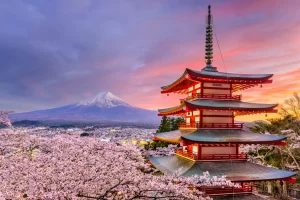
Japan is so much more than cherry blossoms in April and the white mountains in January. The country, the culture, and its food supersede Japan’s influence as a producer of some of the finest beverages such as sake, shochu, awamori, beer, and Japanese whiskies. Japanese food is an art form that can be discovered even in a roadside restaurant in Tokyo. The rich food and drink culture is experienced in Izakaya, Ryokan, and Ryotei. From beer museums to sake breweries, whisky distilleries to wineries, Japan has so much to offer to a thirsty traveler. While enjoying sushi or dining at a traditional Ryotei or having a regular meal at a Yatai food stall you can enjoy sake from a local brewery in Niigata or sip on some delicious shochu in Kagoshima. Or take a train ride to the Hakushu distillery in the outskirts of Tokyo to gain an insight into the world of one of the finest Japanese whiskies.
IRELAND
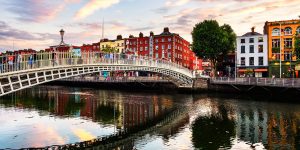
If your bucket list involves an adventurous whisky trail, then Ireland is the perfect place. The Irish whiskey industry might be smaller than its Scottish counterpart, but it’s nowhere less exciting. Some of the best whiskey trails and distillery tours organized here can offer you the experience of a lifetime. The island country has 60 distilleries, most of which are operational and fully open to curating bespoke itineraries involving guided tastings to authentic experiences suitable for regular travelers as well as whisky connoisseurs.
MEXICO
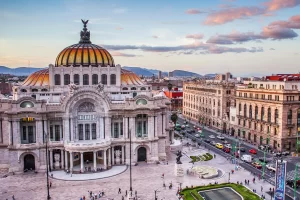
The magic and mystery of Mexico are beyond Aztec ruins and Frida Kahlo. It is also the country that produces some of the best artisanal spirits in the world. Drinks such as Tequila, Mezcal, Raicilla, Sotol, Bacanora, and Pulque are traditional drinks with a deep-rooted connection to the culture of Mexico.
The best way to discover Mexico is not just to add Cancun, Mayan Riviera, and Puerto Vallarta to the itinerary, but also to explore Oaxaca (for Mezcal) and Jalisco (for tequila). From vineyards in Northern Mexico to artisanal Mezcal distilleries in the South (Oaxaca), the country has so much to offer to satiate the curiosity of offbeat travelers.
ITALY
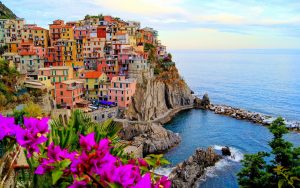
Italy is a wine lover’s paradise. From the crisp and delightful white wines and Prosecco from the Northern region, the classic Chianti Classico, Brunello di Montalcino, and Vernaccia di San Gimignano in Tuscany at the center and volcanic wines from Sicily in the south, Italy as an old-world wine-producing region have a wine for every kind of wine lover.
Next time you think of visiting Italy keep the wine map ready to experience some of the best vino tourism experiences in Tuscany, Veneto region, Catania, or near Palermo city in Sicily that provides the most authentic, tailored, guided tastings, visits as well as stay options.
SOUTH KOREA
Did you know that the growing popularity of Korean culture through K-pop, K-dramas, and K-beauty is directly proportional to the sales of the world’s best-selling spirits brand Jinro soju? Well, that may not be the truth, but if every time you took a sip of soju when you saw a bottle of soju in any of the Korean dramas or saw someone eating kimchi, this might come true. Seoul, Busan, Ulsan, Jeju Island, Daegu, the breathtaking beauty of these South Korean cities are attracting many international tourists. However, more than just the locations, it’s the friendly culture of the country that offers the traveler to ‘imagine your Korea’ by allowing you to become a character in the kingdom during a palace tour or help you look for your favorite k-pop star during the Gangnam k-pop tour. You can also explore the world of soju through tours to traditional soju distilleries, learn the distillation process with a soju master, learn the history and culture of the drink, pair Korean food with soju, and learn how to make interesting soju cocktails.

(Rojita Tiwari is an acclaimed beverage writer, educator & consultant. She is the Founder of Drinks & Destinations and a certified jury member of several international wine and spirits competitions. She can be reached at drinksanddestinations@gmail.com)
48 Hours in Speyside. Making the most of a flying visit to Scotland’s Whisky wonderland.
For anyone with an interest in whisky, visiting a distillery is always memorable. Surrounding oneself with the sights, aromas, and flavours of whisky production “at source”, meeting the people involved, and learning why so many people love this golden spirit is a fantastic experience.
Though it’s possible to visit distilleries in many locations around the globe, the spirit is most famously associated with Scotland. Currently, home to over 130 active distilleries, the highest concentration of distilleries (around 50, including many of the legendary names) is in the relatively small Speyside region.
It would be easy to spend weeks exploring this region (and many do!), but what follows is a few suggestions on how to make the most of a short 48-hour visit, and hopefully gain some insight into why so many people return year after year.
When to visit? The region can be visited year-round, though an ideal time to visit would be at end of April, during the annual Spirit of Speyside Whisky Festival. Around this time, many of the distilleries, independent bottlers, bars, and hotels will stage special events as part of the festival – often featuring rare archive bottles, exclusive new releases or tastings & tours hosted by distillery owners, managers, or master blenders.
Where to stay? The region has accommodation for every taste & budget, from charming B&B’s to boutique hotels or luxury highland estate houses. Elgin is the largest town in the region and has a good base, though many stay a little further south, around the towns of Dufftown, Aberlour or Craigellachie. The latter boasts two of the finest Whisky bars in Scotland just a few metres apart (The Highlander Inn & The Quaich Bar at the Craigellachie Hotel).
Getting around? There are several local guides and tour companies in the area that would be happy to help. Many have great relationships with distilleries, so may be able to offer a more tailored, bespoke service (reach out to fellow DLC member Vikki Bruce for super advice here too). Transport options in the region cover everything from a vintage railway to classic cars. It’s even possible to have a guided whisky tour by canoe!
Where to visit?: Not every distillery is open to the public, but a copy of Ingvar Ronde’s “Malt Whisky Yearbook” would be a wise purchase before your trip, as this contains contact details of every distillery in the region.
Many distilleries offer different types of tours to cater to the widest variety of visitors. Whether you’re beginning your whisky journey or a qualified trade expert, a visitor won’t fail to be impressed at the attention to detail, pride and passion that the distillery teams put into their work.
The short distance between the distilleries here makes it easier to visit several in one day, so there’s no better opportunity to see how each distillery creates its character & atmosphere. Compare the spectacular new Macallan site, designed with visitors in mind, to the traditional Glenfarclas (still owned by the founding family, with staff living on-site, as they did over 150 years ago). The tiny Ballindalloch distillery (founded in 2014) shows that that smaller-scale craft distilling is alive and well in the region, and a tour of the Glen Grant distillery and gardens is also a must. Glenallachie has quickly become a star under their new owners, with the quality showing through in their whiskies, one of which was named “World’s Best Single Malt” at the 2021 World Whisky Awards.
Remember lookout for unusual bottles. Some of the distilleries and independent stores in the region will have exclusive bottles available (especially during the festivals). The excellent Glen Moray distillery in Elgin also offers hand-fill bottlings at their visitor centre. Bottles like this offer something a little special, and you could be the only person in your own country to own a bottle!
Final tips: Since Covid’s arrival, it’s more important than ever to plan before your trip. Booking visits in advance will help the distilleries ensure the best experience for you. Please do also check out the local restaurants, bars and independent stores as the region offers much for foodies too.
Most of all, “Haste Ye Back!” (You’re always welcome).